 Central Córdoba Hub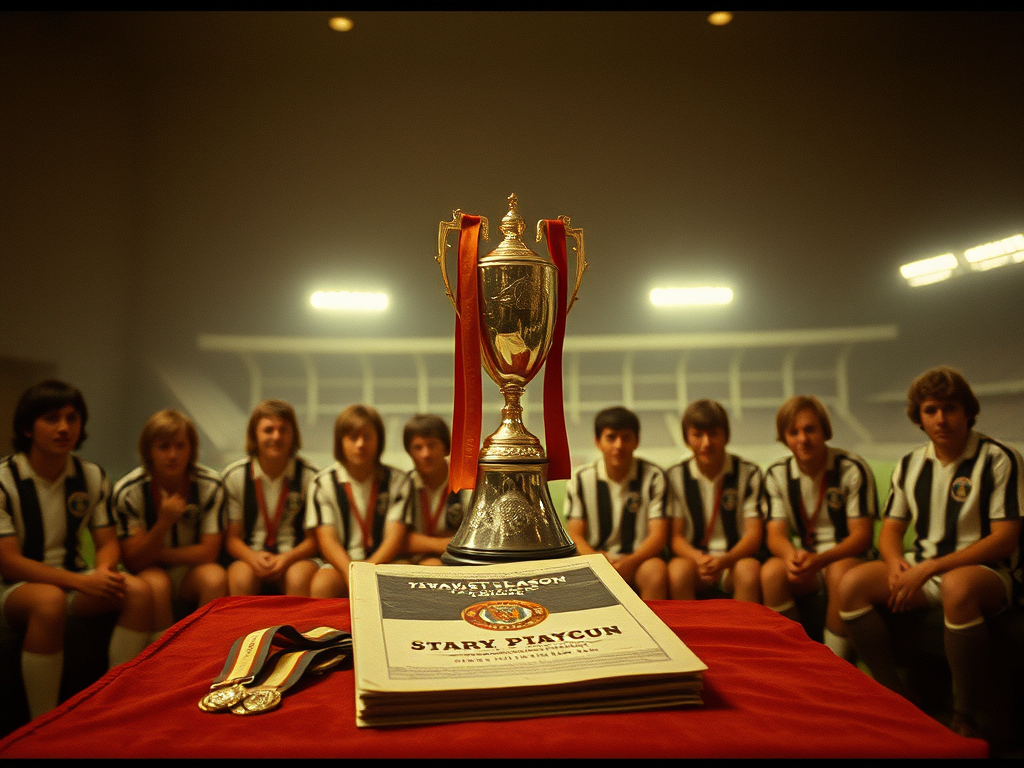
The year 1977 marked a pivotal chapter in the storied history of Central Córdoba, a time when Los Ferroviarios made their long-awaited return to the Primera División, Argentina's top tier of football. This triumphant season not only solidified the club's reputation but also ignited a fervor among the passionate supporters in Santiago del Estero, who had long yearned for a glimpse of top-flight football.
Under the guidance of coach José Vignatti, Central Córdoba entered the season with renewed hope and determination. The squad was a blend of seasoned veterans and emerging talents, each player fueled by the desire to etch their names into the annals of club history. The team's roster included notable figures such as midfielder J. Orellana and forward M. Figueroa, who played pivotal roles in the club's successful campaign. These players exemplified the fighting spirit and resilience that became synonymous with Los Ferroviarios.
The campaign was not without its challenges; the competition was fierce, and the pressure to perform was immense. Yet, Central Córdoba rose to the occasion, producing a string of impressive performances that showcased their tactical prowess and teamwork. Matches at the Estadio Alfredo Terrera became a fortress, with the passionate crowd providing a vibrant atmosphere, urging their team forward with every chant and cheer. The blend of local support and the team's performance created an electric environment that was hard to replicate elsewhere.
Throughout the season, Central Córdoba demonstrated their ability to rise to the occasion, often pulling off stunning victories against well-established opponents. The defining moment came during their match against San Martín de Tucumán, where a last-minute goal secured a crucial victory, propelling the team closer to their promotion goal. Each match was a rollercoaster of emotions, with the team often coming from behind to snatch victory from the jaws of defeat, further endearing them to their loyal supporters.
As the season progressed, the anticipation grew, and the possibility of promotion became more tangible. The final matches of the season were a thrilling affair, as Central Córdoba needed to secure their spot among the elite. The players, fueled by the unwavering support from the stands, delivered a performance for the ages, ultimately achieving the coveted promotion. The elation that followed was palpable, as thousands of fans flooded the streets of Santiago del Estero in celebration, marking a moment that would be etched in the hearts of all who witnessed it.
The significance of the 1977 season transcended mere statistics; it represented a unifying moment for a community that had long supported its team through ups and downs. The pride of being a Ferroviario surged through the city, and the promotion served as a catalyst for future generations of players and fans alike. It laid the groundwork for the club's identity and ambition, inspiring a new era that would see Central Córdoba fighting for their place in Argentine football.
In retrospect, the 1977 season is more than just a year; it is a testament to the spirit of Central Córdoba and its supporters. It reminds us that in football, as in life, perseverance and passion can lead to remarkable achievements. As fans look back on that glorious season, they do so with a sense of pride and hope, eagerly anticipating what the future holds for their beloved club.